Top Natural Remedies to Reduce Inflammation
- Keely Krall
- Mar 24
- 4 min read

Pain can be a debilitating experience, affecting our daily lives and overall well-being. Whether it’s chronic pain from conditions like arthritis or acute pain from an injury, finding effective relief is essential. While over-the-counter medications can provide temporary relief, many people are turning to natural remedies for a more holistic approach. While Ouch Balm can provide external relief treating inflammation within can help reduce the severity of chronic pain or possibly eliminate it.

Understanding Pain and Its Types
Before diving into remedies, it’s important to understand the different types of pain:
Acute Pain: This type of pain is sudden and often sharp. It can result from injuries, surgeries, or infections and typically lasts for a short duration.
Chronic Pain: Chronic pain persists for weeks, months, or even years. Conditions like arthritis, fibromyalgia, and back pain fall into this category.
Neuropathic Pain: This pain arises from nerve damage and can be described as burning, tingling, or shooting pain.
Recognizing the type of pain you are experiencing can help in selecting the most appropriate natural remedy.
The Benefits of Natural Remedies
Natural remedies offer several advantages over conventional medications:
Fewer Side Effects: Many natural remedies have minimal side effects compared to pharmaceutical options.
Holistic Approach: They often address the root cause of pain rather than just masking symptoms.
Accessibility: Many natural ingredients are readily available and can be used at home.
Top Natural Remedies for Pain Relief
1. Turmeric
Turmeric contains curcumin, a compound with powerful anti-inflammatory properties. It can be consumed in various forms:
Golden Milk: A warm drink made with turmeric, milk (or a dairy-free alternative), and spices.
Turmeric Supplements: Available in capsules for those who prefer a concentrated dose.
2. Ginger
Ginger is another potent anti-inflammatory agent. It can be used in several ways:
Ginger Tea: Steep fresh ginger slices in hot water for a soothing drink.
Ginger Extract: Available in liquid form for easy consumption.
3. Epsom Salt Baths
Epsom salt is rich in magnesium, which can help relax muscles and reduce pain. A warm bath with Epsom salt can provide relief for sore muscles and joints.
4. Hot and Cold Therapy
Applying heat or cold can be an effective way to manage pain:
Heat Therapy: Use a heating pad or warm compress to soothe stiff muscles.
Cold Therapy: Ice packs can help reduce inflammation and numb sharp pain.
5. Acupuncture
This ancient practice involves inserting thin needles into specific points on the body. Many people find acupuncture effective for managing chronic pain conditions.
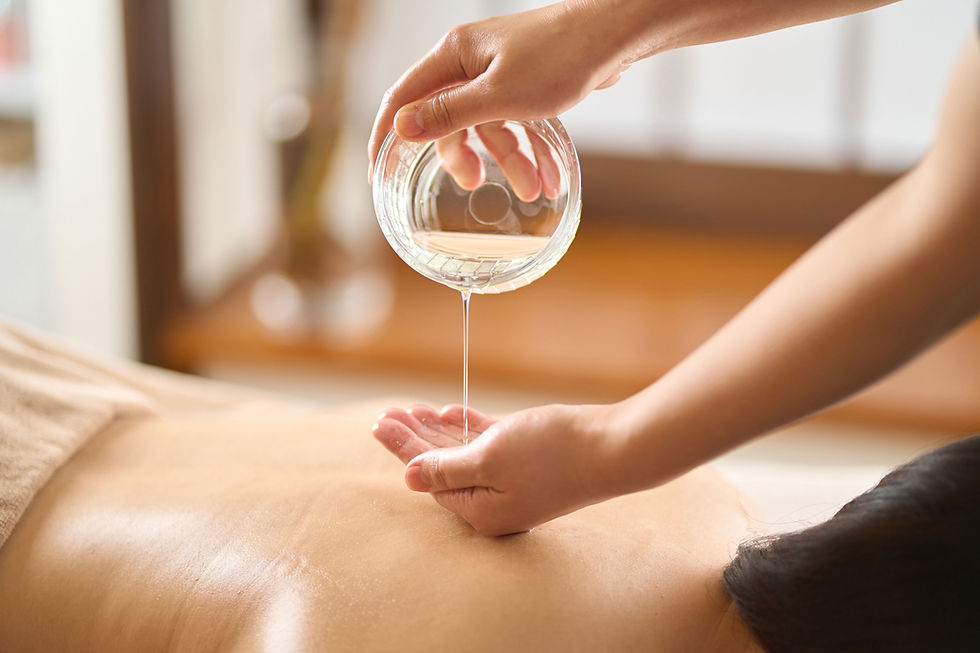
6. Massage Therapy
Massage can help relieve tension in muscles and improve circulation. Regular sessions can be beneficial for chronic pain sufferers.
7. Exercise and Stretching
Gentle exercise and stretching can help maintain mobility and reduce stiffness. Activities like yoga and tai chi are particularly effective for pain management.
8. Mindfulness and Meditation
Practicing mindfulness and meditation can help manage the emotional aspects of pain. Techniques such as deep breathing and visualization can promote relaxation and reduce stress.
Ouch Balm: A Natural Topical Solution
Ouch Balm is a topical remedy made from a blend of natural ingredients known for their pain-relieving properties. It typically includes ingredients like:
Arnica: Known for its anti-inflammatory properties, arnica can help reduce swelling and bruising.
Menthol: Provides a cooling sensation that can temporarily relieve pain.
Essential Oils: Oils like eucalyptus, rosemary and camphor can enhance circulation and provide soothing effects.
Using Ouch Balm can be a convenient way to target pain directly at the source.
How to Use Ouch Balm Effectively
To maximize the benefits of Ouch Balm, consider the following tips:
Apply Generously: Use a sufficient amount of balm on the affected area.
Massage Gently: Rub the balm into the skin using circular motions to enhance absorption.
Frequency: Apply as needed, but avoid overuse. Start with a small amount to see how your body reacts.
Combining Remedies for Enhanced Relief
For optimal pain relief, consider combining Ouch Balm with other natural remedies. For example:
Use Ouch Balm after a warm Epsom salt bath to enhance muscle relaxation.
Apply Ouch Balm before stretching or exercising to ease discomfort.
Precautions and Considerations
While natural remedies can be effective, it’s important to take precautions:
Consult a Healthcare Professional: Always consult with a healthcare provider before starting any new treatment, especially if you have underlying health conditions or are taking medications.
Patch Test: If you’re using Ouch Balm for the first time, perform a patch test to check for any allergic reactions.
Monitor Symptoms: Keep track of your pain levels and any changes after using natural remedies.
Conclusion
Natural remedies can provide effective pain relief without the side effects associated with many pharmaceuticals. Ouch Balm, with its blend of natural ingredients, can be a valuable addition to your pain management strategy. By combining it with other remedies like turmeric, ginger, and mindfulness practices, you can create a comprehensive approach to managing pain.
Take the first step towards a more natural pain relief journey today. Explore the benefits of Ouch Balm and discover how it can help you reclaim your comfort and well-being.


Comments