Transform Your Recovery: The Healing Power of Massage Techniques and Essential Oils
- Keely Krall
- Mar 24
- 3 min read

Recovery after physical exertion or injury is crucial for restoring strength and preventing further damage. One of the most effective ways to support this process is through massage combined with the use of essential oils. This ritual not only soothes sore muscles but also promotes relaxation and overall well-being. Here’s how you can transform your recovery routine with targeted massage techniques and carefully chosen essential oils.
Effective Massage Techniques for Recovery
Massage helps increase blood flow, reduce muscle tension, and speed up the healing process. Different techniques serve different purposes, so it’s important to know which to use depending on your recovery needs.
Swedish Massage
This technique uses long, gliding strokes and gentle kneading. It’s ideal for general relaxation and improving circulation. Swedish massage helps flush out toxins and brings oxygen-rich blood to tired muscles.
Deep Tissue Massage
Focused on the deeper layers of muscle and connective tissue, this technique uses slower, more forceful strokes. It targets knots and chronic muscle tension, making it perfect for athletes or those recovering from injury.
Trigger Point Therapy
This method applies pressure to specific tight spots within muscles that cause pain elsewhere in the body. Releasing these points can reduce referred pain and improve mobility.
Myofascial Release
This technique gently stretches the fascia, the connective tissue surrounding muscles. It helps relieve stiffness and improves flexibility, which is essential during recovery.
Using these techniques in combination or focusing on the one that fits your condition can significantly enhance your recovery experience.
Essential Oils to Enhance Your Massage
Adding essential oils to your massage routine can amplify the healing effects. These oils have properties that reduce inflammation, relieve pain, and promote relaxation.
Lavender Oil
Known for its calming scent, lavender oil also reduces muscle soreness and inflammation. It’s a great choice for evening massages to help with sleep and relaxation.
Peppermint Oil
Peppermint has a cooling effect that soothes muscle pain and reduces inflammation. It’s especially useful after intense workouts or for tension headaches.
Eucalyptus Oil
This oil helps clear respiratory passages and has anti-inflammatory properties. It’s beneficial for muscle recovery and easing stiffness.
Rosemary Oil
Rosemary stimulates circulation and relieves muscle pain. It’s often used to reduce fatigue and improve mental clarity during recovery.
Chamomile Oil
Chamomile calms the nervous system and reduces muscle spasms. It’s excellent for sensitive skin and gentle recovery massages.
When using essential oils, always dilute them with a carrier oil such as jojoba, almond, or coconut oil to avoid skin irritation. A typical dilution is 3-5 drops of essential oil per tablespoon of carrier oil.
How to Create Your Recovery Massage Ritual
To get the most from your massage and essential oils, follow these steps:
Prepare Your Space
Choose a quiet, comfortable area with soft lighting. Play calming music if you like.
Warm the Oil
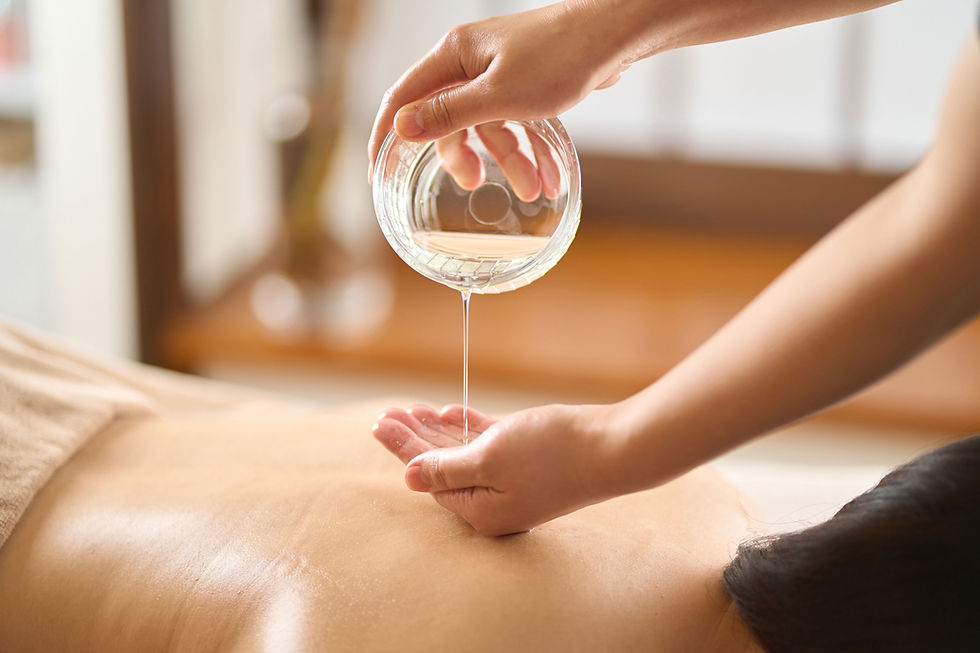
Mix your chosen essential oil with a carrier oil and warm it slightly in your hands before applying.
Start Gently
Begin with light strokes to spread the oil and warm the muscles.
Apply Targeted Techniques
Use deeper pressure on tight areas, but avoid causing pain.
Focus on Breathing
Encourage slow, deep breaths during the massage to enhance relaxation.
Hydrate Afterward
Drink water to help flush out toxins released during massage.
By making this ritual a regular part of your recovery, you support your body’s natural healing and reduce the risk of injury.


Comments